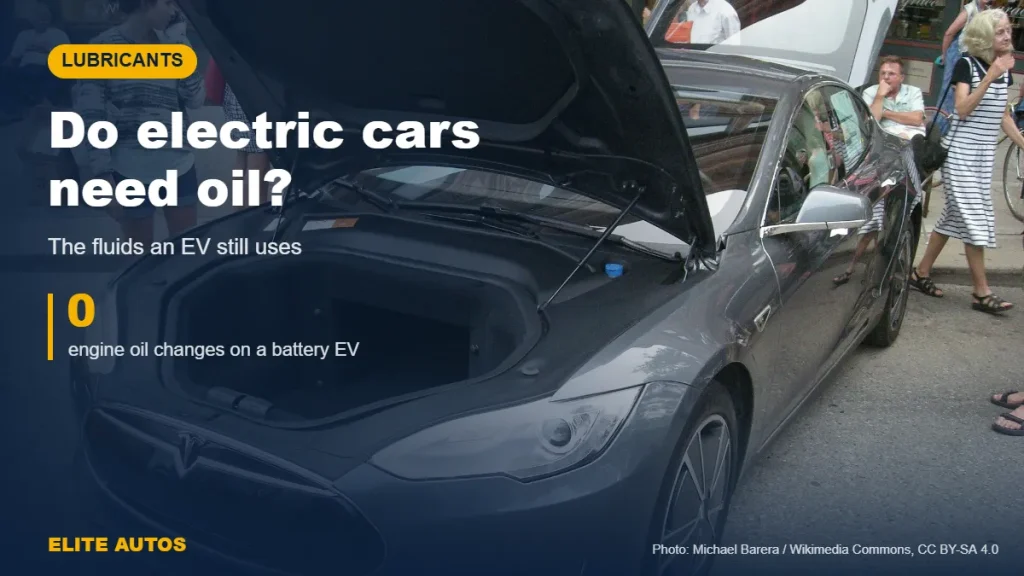
Quick answer: No, battery-electric cars do not need engine oil changes, because they have no engine with pistons and valves to lubricate. Tesla, for example, says its cars need no traditional oil changes, fuel-system work or spark plugs (Tesla). But EVs are not fluid-free: they still use brake fluid, coolant for the battery and motor, reduction-gear oil and washer fluid (Kia, Recurrent). Hybrids and plug-in hybrids still have a petrol engine and do need regular oil changes.
In this article
Which fluids does an electric car use?
| Fluid | What it does | Typical service guidance |
|---|---|---|
| Brake fluid | Transfers pedal force to the brakes; absorbs moisture over time | Tesla: test every 4 years and replace if needed (Tesla); some makers: every 24 months or 30,000 miles (InsideEVs) |
| Battery and motor coolant | Keeps the battery and electronics at the right temperature | Tesla Model 3/Y: usually lasts the life of the car (Cars.com); others: e.g. after 15 years or 120,000 miles (InsideEVs) |
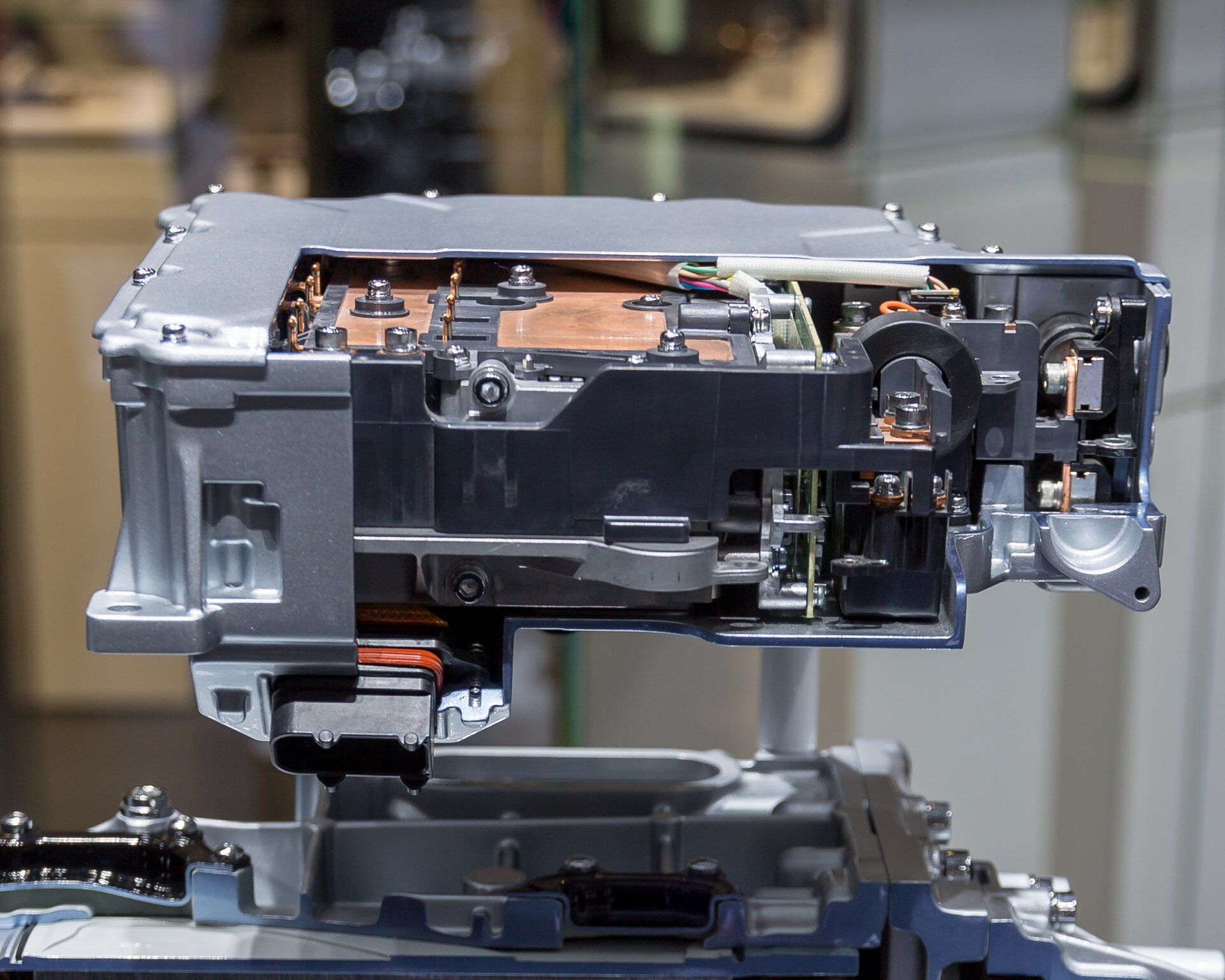
| Reduction-gear oil | Lubricates the single-speed gearbox between motor and wheels | Often not on the schedule: Nissan Leaf lists no change for 8 years / 120,000 miles (Cars.com) |
| Washer fluid | Cleans the windscreen | Top up as needed |
| A/C refrigerant | Cools the cabin (and often the battery) | Checked during A/C service |
Why don’t electric motors need oil changes?
Engine oil exists to reduce friction between many fast-moving metal parts inside a combustion engine and to carry away heat and combustion by-products. An electric motor is a sealed unit with far fewer moving parts and no combustion, so there is nothing for oil to clean or protect in the same way (Kia). The small gearbox still uses lubricant, but it is sealed and rarely needs changing.
What maintenance does an EV still need?
- Brake fluid checks: regenerative braking means the pads last longer, but brake fluid still absorbs moisture and needs testing (Tesla).
- Coolant system: the thermal system protects the most expensive part of the car, the battery (Recurrent).
- Tyres: EVs are heavy and have instant torque, so tyres can wear faster; rotate them regularly.
- Cabin air filters and wipers: same as any car.
- 12-volt battery: the low-voltage battery still powers lights and electronics and eventually needs replacing.
- Extra checks in harsh conditions: heavy braking, towing or hot, humid climates may need more frequent brake-fluid checks (Tesla).
EV vs petrol car: fluids compared
| Fluid | Petrol car | Hybrid / PHEV | Battery EV |
|---|---|---|---|
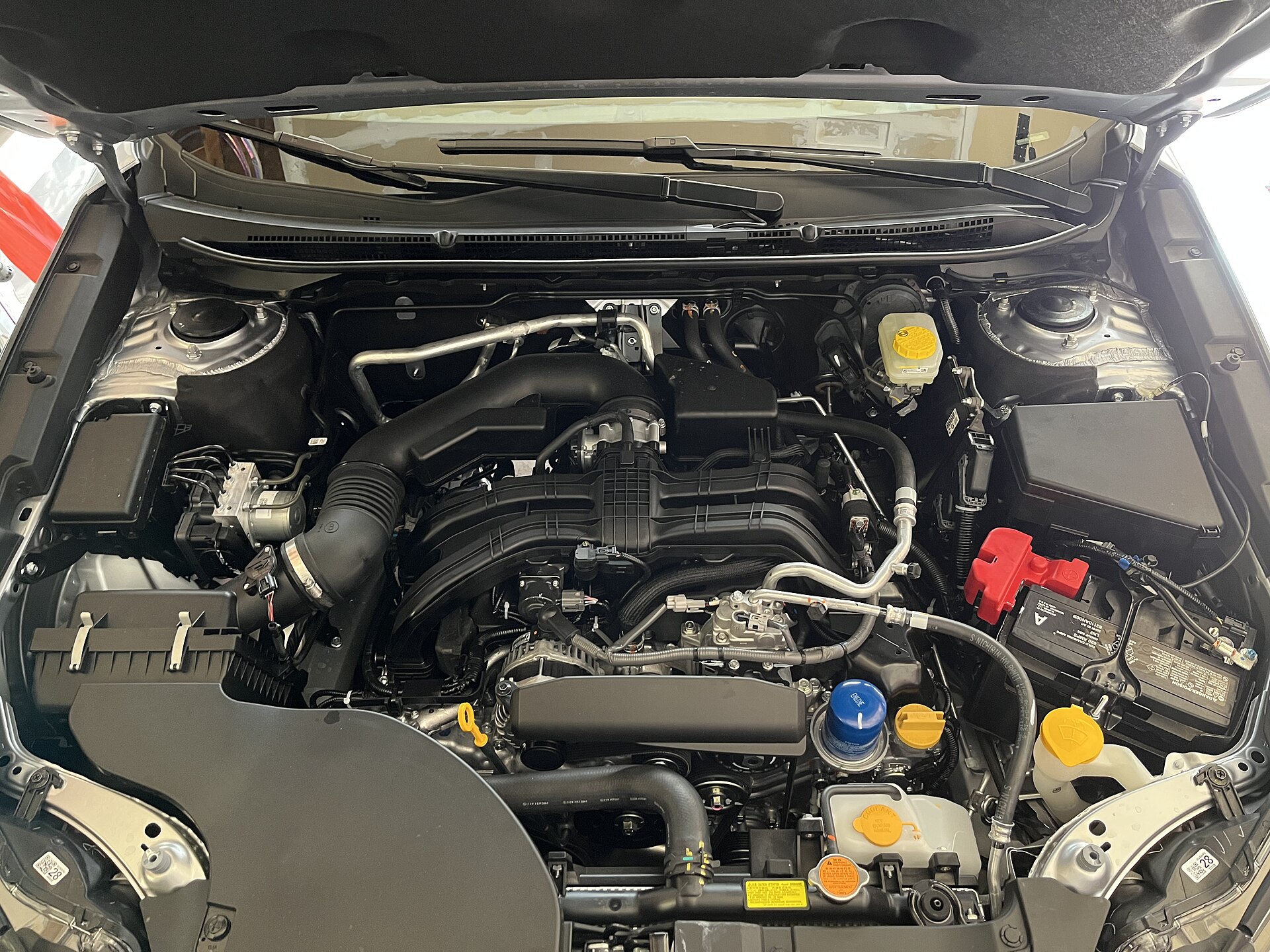
| Engine oil | Yes, regular changes | Yes, regular changes | No |
| Transmission fluid | Yes (automatic or manual) | Yes | Small sealed reduction gear |
| Coolant | Engine coolant | Engine and battery coolant | Battery and motor coolant |
| Brake fluid | Yes | Yes | Yes |
| Fuel system service | Yes | Yes | No |
What this means for the oil and lubricants industry
As EVs reach about a quarter of new car sales worldwide, demand for engine oil from new cars will shrink over time, while demand for specialist EV fluids such as low-conductivity coolants and e-axle gear oils grows. For conventional cars, see our engine oil guide and the story of Castrol’s sale.
More EV ownership guides: EV charging guide, used EV battery health check and EV types explained.
Key takeaways
- Battery-electric cars never need engine oil changes.
- They still use brake fluid, coolant, gearbox lubricant and washer fluid.
- Tesla recommends testing brake fluid every 4 years; some makers say every 2 years.
- Hybrids and plug-in hybrids still need regular engine oil changes.
Frequently asked questions
Do electric cars need oil changes?
No. Battery-electric cars have no combustion engine, so there is no engine oil to change.
Do electric cars have transmission fluid?
Most have a small single-speed reduction gearbox with lubricant, but it is sealed and often not on the regular service schedule.
How often should EV brake fluid be changed?
It varies: Tesla recommends testing every 4 years and replacing as needed; some other makers say every 24 months or 30,000 miles.
Do EVs need coolant?
Yes. Coolant keeps the battery and power electronics at the right temperature. Some, such as the Tesla Model 3, are designed to last the life of the car.
Do hybrid cars need oil changes?
Yes. Hybrids and plug-in hybrids have a petrol engine that needs regular oil changes.
Sources
- Tesla: Vehicle maintenance (EU)
- Tesla: Vehicle maintenance (HK)
- Tesla: Car maintenance (AU)
- Cars.com: Do electric vehicles use oil?
- InsideEVs: EV maintenance guide
- Kia: Do electric cars need oil changes?
- Recurrent: What fluids does your EV need?
Related on Elite Autos
 API SQ and ILSAC GF-7 explained: the new engine oil standards
 Prince of Monaco car collection: tickets, hours and the cars of Rainier III and Princess Grace
 Emirates National Auto Museum guide: tickets, hours, location and the Rainbow Sheikh’s cars
 Tesla FSD v15: release date, Hardware 4 requirement and what changes