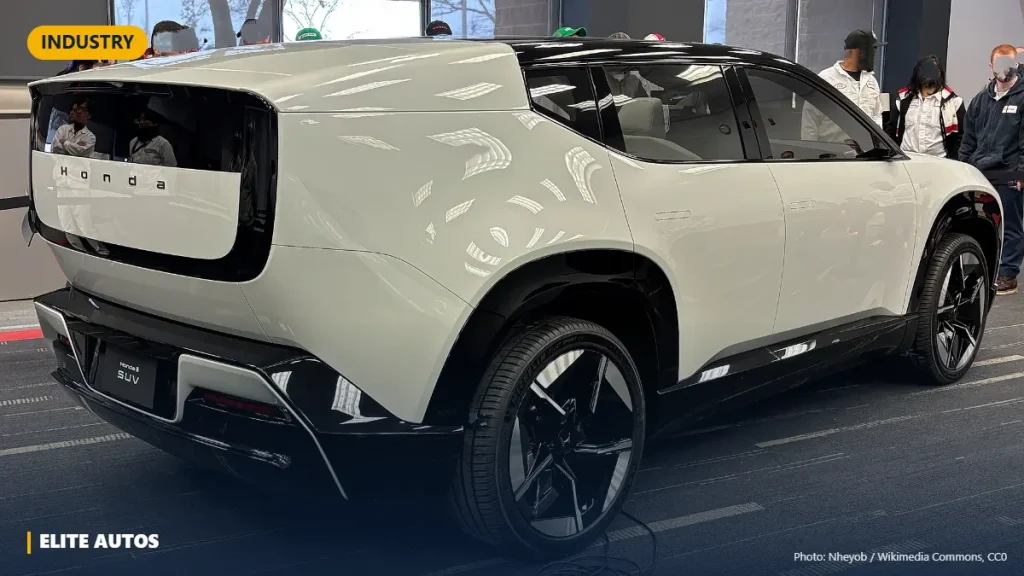
Honda will invest $3 billion in a new auto assembly plant in Central Ohio, adding capacity for 240,000 vehicles a year and more than 2,000 jobs, with production expected to begin in 2029. The company announced the plan on November 9, 2026.
In this article
The plant will sit between Honda East Liberty and Marysville auto plants. It will be Honda fourth vehicle assembly plant in Ohio and its ninth in the United States, lifting US auto production capacity to about 1.3 million vehicles a year.
Key facts
| Item | Detail |
|---|---|
| Investment | $3 billion (new plant) |
| Capacity | 240,000 vehicles a year |
| Jobs | More than 2,000 |
| Start of production | 2029 (subject to final government approvals) |
| Powertrains | Tooled for gasoline, hybrid and fully electric vehicles |
The wider hybrid network
- Transmission Plant-Ohio converts a line to a second hybrid-system line, raising Ohio hybrid powertrain capacity by 250%.
- Transmission Plant-Georgia adds a new transmission assembly line for larger hybrid systems.
- Alabama expands engine production, including a V6 hybrid engine.
- Alliston, Ontario: Honda and the Canadian government announced a joint C$867 million investment to modernize the complex and expand hybrid output.
Why it matters
This is Honda first new US vehicle assembly plant in about two decades, and it is aimed at hybrids, not pure EVs. It follows a year in which several automakers delayed or cancelled US EV programs. The risk sits in the timing: a 2029 start means Honda is locking in capacity before it knows how tariffs, fuel prices and emissions rules settle after the 2026 midterms.
The full investment plan
The new plant, Honda’s fourth auto assembly plant in Ohio and its ninth auto-related plant in the United States, will sit near its existing Marysville and East Liberty factories. It is expected to start production in 2029, pending final government approvals, and will add capacity for about 240,000 vehicles a year, lifting Honda’s total U.S. capacity to roughly 1.3 million vehicles (Honda, Just Auto).
| Site | Project |
|---|---|
| New Central Ohio plant | $3 billion, 240,000 vehicles a year, 2,000+ jobs, production from 2029 |
| Transmission Plant, Ohio | Retooled for next-generation hybrid systems; capacity up about 250% |
| Alabama Auto Plant | New V6 hybrid engine production; marks 25 years of production in 2026 |
| Georgia transmission plant | New line for larger hybrid systems |
The plant is designed to be flexible: it can build hybrids, petrol cars and battery-electric vehicles, so Honda can shift output as demand changes (GM Authority).
Why Honda is betting on hybrids
Hybrids already make up about a third of Honda’s U.S. sales, and demand rose further as petrol prices climbed in 2026. In May, Honda said it would introduce 15 new Honda and Acura hybrid models worldwide by 2030, with North America the main market for many of them (TT News). The Ohio plan marks a clear shift away from Honda’s earlier focus on all-electric vehicles, which have sold more slowly than expected in the United States after federal tax credits ended.
Building in the U.S. also protects Honda from tariffs on imported vehicles and parts. With trade policy uncertain, carmakers that build close to customers have more control over prices and supply.
What it means for Pakistan
The decision reinforces a global trend that matters for Pakistan: major Japanese carmakers now see hybrids, not pure EVs, as their main growth product for the rest of the decade. Honda Atlas Cars in Pakistan already sells hybrid versions in some segments, and Honda’s global investment in new hybrid systems raises the chance that more efficient hybrid models reach Pakistani assembly lines. Read the Honda brand story for the company’s full history.
Key takeaways
- Honda will build a $3 billion assembly plant in Central Ohio, starting production in 2029.
- The plant adds about 240,000 vehicles a year and more than 2,000 jobs.
- Related projects expand hybrid systems in Ohio and Georgia and a new V6 hybrid engine in Alabama.
- Hybrids are about a third of Honda’s U.S. sales and the core of its 15-model hybrid plan to 2030.
The risks in Honda’s plan
The strategy is not risk-free. A plant that opens in 2029 is designed around demand forecasts made today, and the car market can change quickly. If petrol prices fall or EV costs drop faster than expected, demand could swing again. Honda is reducing that risk by designing the plant to build hybrids, petrol cars and EVs on flexible lines. A second risk is trade policy: the plant reduces tariff exposure, but parts supply still crosses the Mexican and Canadian borders, so any change to the USMCA trade pact could raise costs.
How rivals compare
Toyota, Hyundai and Ford are also expanding hybrid output in North America, while several carmakers have delayed or cancelled EV projects. Honda’s move confirms that the industry now sees the next decade as a long hybrid transition rather than a quick switch to battery-electric cars. Japanese carmakers that kept investing in hybrids, led by Toyota and Honda, are currently best placed for that shift.
What to watch next
- Final government approvals and incentives for the Ohio site.
- Which models are assigned to the new plant.
- Progress on Honda’s 15 new hybrid models by 2030.
Bottom line
Honda is spending heavily on the technology that is selling now, hybrids, while keeping the option to build EVs later. It is a cautious, practical bet, and one that most of its rivals are now copying.
Frequently asked questions
How much is Honda investing in Ohio?
$3 billion for a new assembly plant in Central Ohio, announced November 9, 2026.
When will the new Honda Ohio plant start production?
Production is expected to begin in 2029.
What will the plant build?
Next-generation hybrids, with tooling that can also handle gasoline and fully electric vehicles.
Sources
- Honda global newsroom: new $3 billion US auto plant
- CBT News: Honda commits $3B to new Ohio plant
- Foley Automotive Update, November 13, 2026
This article was prepared with AI assistance and checked against the sources listed. Read our AI use policy and corrections policy.
Related on Elite Autos
 Brief: General Motors moves its stock listing from NYSE to Nasdaq
 Brief: Stellantis sells idled Brampton car plant to armoured-vehicle maker Roshel
 Pakistan vs India car industry 2026: sales, exports, ownership and growth compared
 Pakistan auto industry news, November 2026: $6bn export plan, Sazgar’s Philippines plant, fuel relief