Choosing the right engine oil is one of the cheapest ways to make a car engine last longer, yet it is also where many Pakistani car owners waste money or damage their engines. This guide explains what the numbers on the bottle mean, how mineral, semi-synthetic and fully synthetic oils differ, how often to change oil in Pakistani heat and traffic, and how to avoid fake oil.
In this article
What the numbers on the bottle mean
The most visible label is the SAE viscosity grade, such as 5W-30. The number before the W (for winter) shows how easily the oil flows when the engine is cold; a lower number means faster flow at start-up, which is when most engine wear happens. The number after the dash shows how thick the oil stays at normal operating temperature of about 100°C. A 5W-30 flows like a thin oil when cold but protects like a 30-grade oil when hot.
Pakistan rarely gets freezing temperatures outside the northern areas, so the first number matters less than in cold countries, but modern engines with tight tolerances and variable valve timing are designed around thin oils. Using a much thicker oil than recommended can slow oil flow to critical parts and raise fuel consumption.
| Grade | Typical use | Notes |
|---|---|---|
| 0W-20 / 0W-16 | Modern Japanese petrol and hybrid engines | Maximum fuel economy; only if the manual allows it |
| 5W-30 | Most modern petrol cars and many light diesels | The safest all-round choice for newer cars |
| 10W-40 | Older petrol engines with higher mileage | Thicker, common in Pakistani workshops |
| 15W-40 / 20W-50 | Older diesels, trucks, very worn engines | Not for modern small petrol engines |
API, ACEA and carmaker approvals
The second label to check is the performance specification. For petrol engines the American Petroleum Institute (API) uses two letters starting with S: SN and the newer SP are current, while older grades such as SL or SJ are outdated for modern cars. Diesel oils use C-categories such as CI-4 or CK-4. European cars often require ACEA codes such as A3/B4 or C3, and many carmakers publish their own approvals, for example Volkswagen 504 00 or Mercedes-Benz 229.51. If your car is under warranty, using an oil with the required approval protects you if a claim is made.
Mineral vs semi-synthetic vs fully synthetic
Mineral oil is refined from crude oil and is the cheapest. It still dominates Pakistan’s market, where mineral oils made up about 58% of lubricant volume in 2025, because many vehicles are old and buyers are price-sensitive. Semi-synthetic oil blends mineral and synthetic base oils for better protection at a moderate price. Fully synthetic oil is engineered for stable viscosity, better resistance to heat and longer intervals, and is required by many modern turbocharged and hybrid engines.
| Type | Typical change interval | Best for |
|---|---|---|
| Mineral | 3,000–5,000 km | Older, simple engines; low budgets |
| Semi-synthetic | 5,000–7,500 km | Mixed city and highway driving |
| Fully synthetic | 7,500–10,000 km or as specified | Modern, turbo, hybrid and high-performance engines |
How often should you change oil in Pakistan?
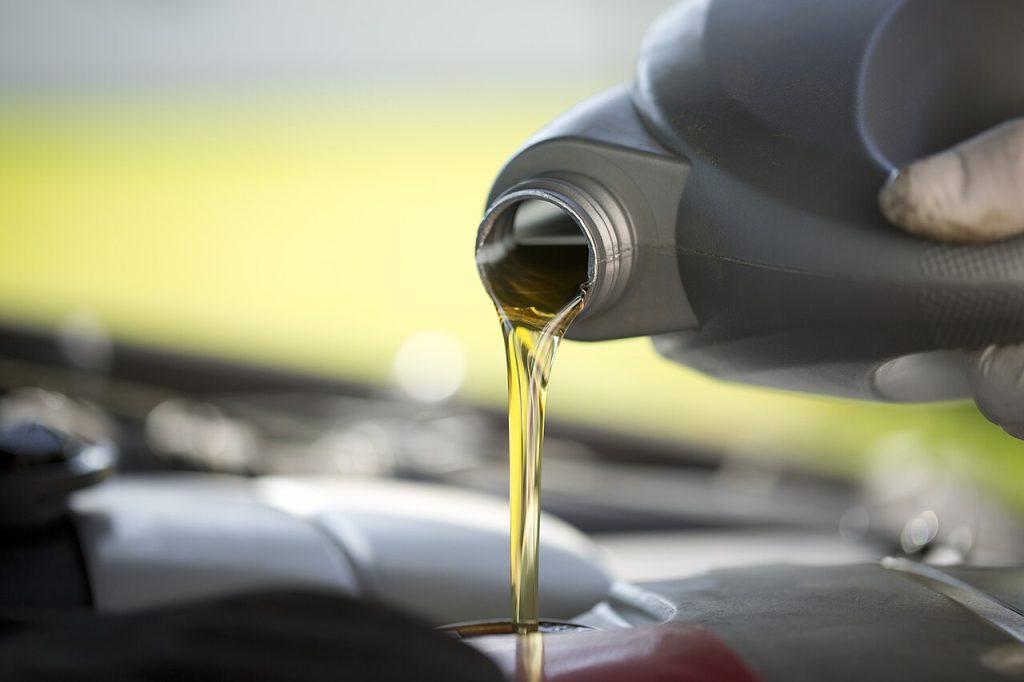
Manufacturers often quote longer intervals for “normal” conditions, but most Pakistani driving counts as severe service: stop-start traffic, long idling with air-conditioning running, dust, heat above 40°C and short trips. Under severe service, shorten the interval or follow the severe-service schedule in the manual. If you drive very little, change oil at least once or twice a year even if the distance is low, because oil also ages with time and moisture.
Always change the oil filter with the oil. A cheap or fake filter can undo the benefit of good oil. Check the oil level with the dipstick every couple of weeks; older engines can burn oil, and running low is far more damaging than using a slightly different grade.
How to avoid fake and re-filled engine oil
Counterfeit and re-filled lubricants are a long-standing problem in Pakistan. Industry bodies have warned that unlicensed blending plants sell oil in copied packaging, and the major brands are among the most affected. Fake oil may have the wrong viscosity, missing additives or contaminated base oil, and can cause sludge, wear and engine failure.
- Buy from authorised dealers, company-owned fuel stations or reputable workshops rather than roadside stalls.
- Check the seal, batch number, manufacturing date and print quality; blurred labels and loose caps are red flags.
- Use the scratch codes or verification QR codes that several brands now print on packs.
- Be suspicious of prices far below the market rate for a premium brand.
- Ask the workshop to open a sealed pack in front of you instead of pouring from a drum.
Who sells engine oil in Pakistan?
Pakistan’s lubricants market is estimated at about 513 million litres in 2026, with automotive engine oil making up roughly 41% of demand. Leading names include PSO, Caltex (Chevron Pakistan Lubricants, with Havoline and Delo), Shell-branded oils marketed by Wafi Energy Pakistan, Total Parco, ZIC from South Korea, and imported brands such as Mobil and Castrol. For company profiles, ownership changes and market data, see our Lubricants and engine oil industry hub.
Electric cars and hybrids
Fully electric cars do not use engine oil, but they still need gear or reduction-drive fluid, brake fluid and coolant. Hybrids such as the Toyota Corolla Cross hybrid and Aqua still have petrol engines that start and stop frequently, which is why manufacturers specify thin, fully synthetic oils like 0W-16 or 0W-20 for them. Lubricant companies are now developing dedicated EV fluids as passenger-car engine oil demand slowly declines.
Frequently asked questions
Which engine oil is best for cars in Pakistan?
The best oil is the grade and specification in your owner’s manual. For most modern petrol cars that is a 0W-20 or 5W-30 meeting API SN or SP.
Is fully synthetic oil worth it?
For modern, turbocharged and hybrid engines, yes. For older simple engines a good semi-synthetic or mineral oil changed on time can be enough.
How can I tell if engine oil is fake?
Check the seal, batch number, print quality and any verification code, and buy only from authorised outlets. Prices far below market are a warning sign.
How often should I change engine oil?
Follow the severe-service schedule for Pakistani conditions, typically every 3,000 to 10,000 km depending on oil type, and at least once a year.
Sources
- Mordor Intelligence: Pakistan lubricants market
- Lubes n Greases: Pakistan lube market and counterfeits
- American Petroleum Institute: motor oil guide
- Global Market Insights: lubricants market
Related on Elite Autos
 API SQ and ILSAC GF-7 explained: the new engine oil standards
 Do electric cars need oil? EV fluids and maintenance explained
 Prince of Monaco car collection: tickets, hours and the cars of Rainier III and Princess Grace
 Emirates National Auto Museum guide: tickets, hours, location and the Rainbow Sheikh’s cars