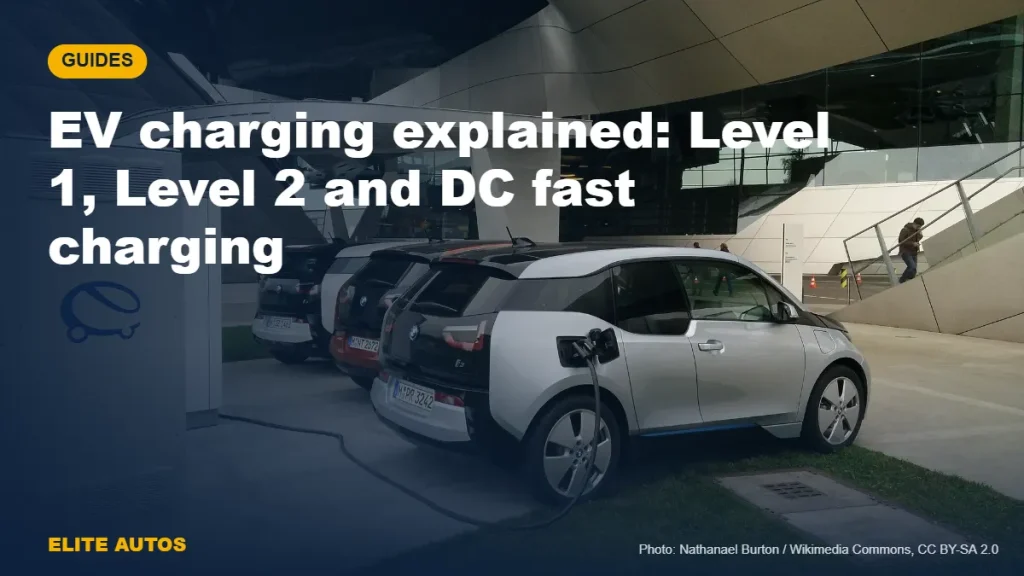
Quick answer: There are three speeds of EV charging. Level 1 uses an ordinary household socket and is very slow. Level 2 uses a dedicated home or public charger and refills most EVs overnight. DC fast charging bypasses the car’s onboard charger and can take many EVs from about 10% to 80% in well under an hour.
In this article
Charging levels compared
| Level | Power source | Typical power | Best for |
|---|---|---|---|
| Level 1 (AC) | Standard household socket | About 1–2 kW | Plug-in hybrids, overnight top-ups |
| Level 2 (AC) | Wall box or public post | About 7–22 kW | Home and workplace charging |
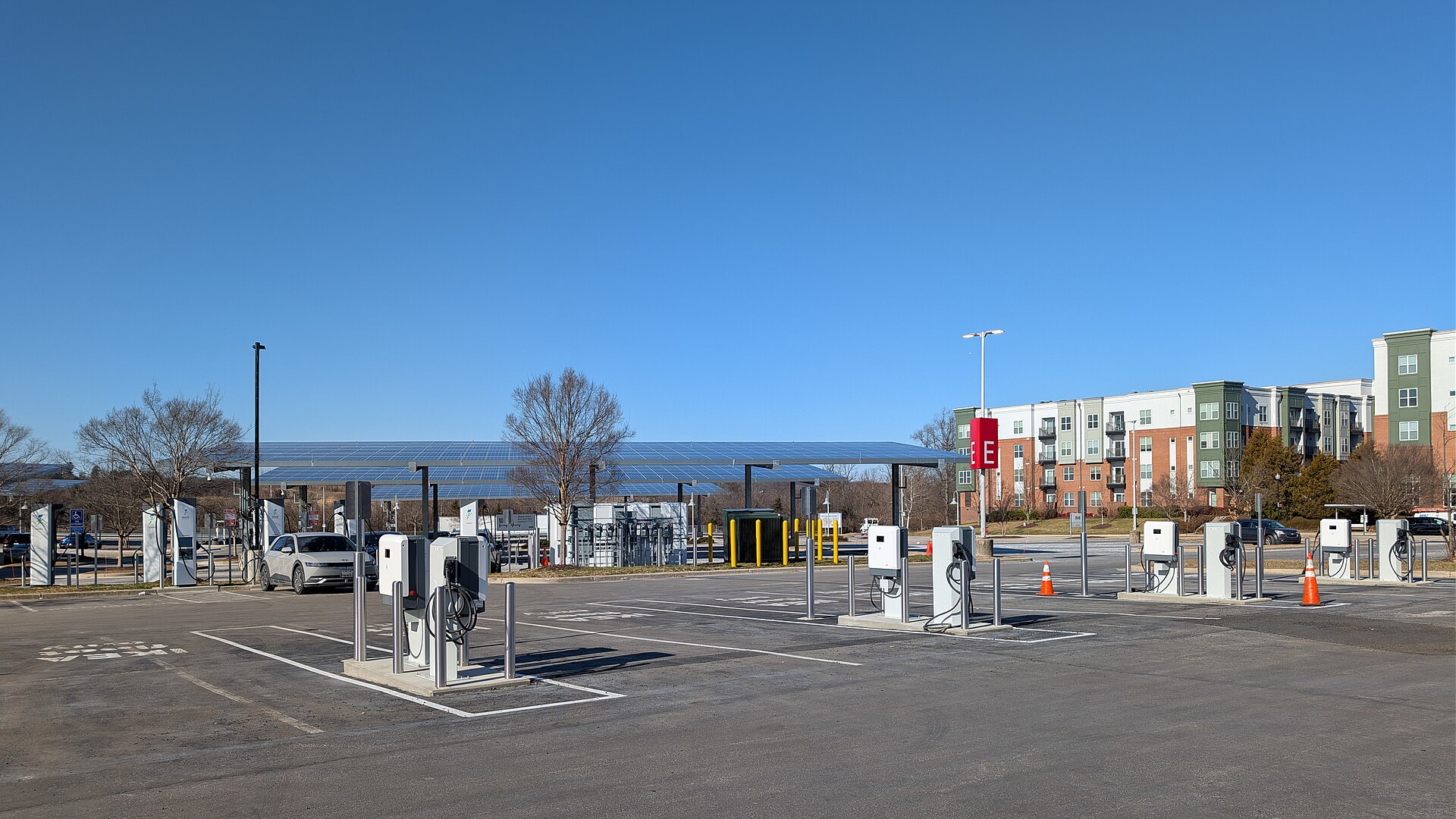
| DC fast charging | Dedicated rapid charger | About 50–350 kW | Road trips and quick stops |
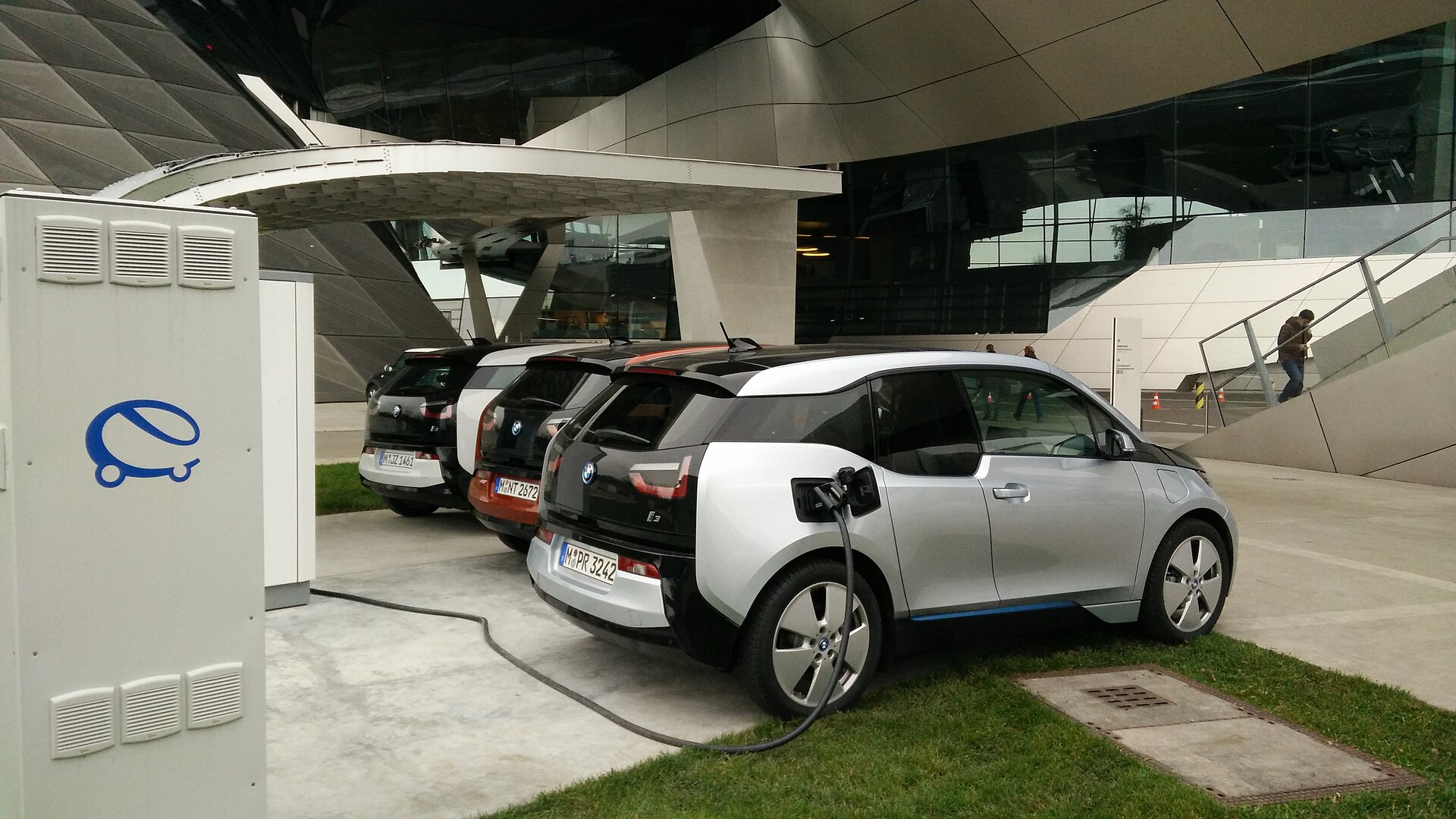
Why the car matters as much as the charger
- AC charging is limited by the car’s onboard charger. A car with a 7 kW onboard charger will not charge faster on a 22 kW post.
- DC charging follows a curve: fast at low charge, slowing sharply above about 80% to protect the battery.
- Cold batteries charge slower. Many EVs can pre-heat the battery when you navigate to a fast charger.
Connectors around the world
- CCS2 / Type 2: Europe and many other markets.
- CCS1 and NACS (SAE J3400): North America, where NACS is becoming the standard.
- GB/T: China.
- CHAdeMO: older Japanese models.
A safety warning
Scammers have placed fake QR code stickers on public chargers that lead to sites asking for card details, a US utility warned this month (EVXL). Pay through the charging network’s own app or the charger’s card reader.
How long does charging take?
| Charger type | Typical power | Time to add about 300 km of range* |
|---|---|---|
| Level 1 (household socket) | 1.4–2.3 kW | More than 24 hours |
| Level 2 / AC wallbox, single-phase | 3.7–7.4 kW | About 6–12 hours |
| Level 2 / AC, three-phase | 11–22 kW | About 3–5 hours (if the car accepts it) |
| DC fast charger | 50 kW | About 1–1.5 hours |
| DC high-power charger | 150–350 kW | About 15–30 minutes (10–80%) |
Plug types around the world
| Connector | Used for | Main regions |
|---|---|---|
| Type 2 (Mennekes) | AC charging | Europe, UK, Middle East, Pakistan, Australia |
| CCS2 | DC fast charging | Europe, UK, Middle East, Australia, many Asian markets |
| GB/T | AC and DC | China and many Chinese-brand exports |
| NACS (Tesla) | AC and DC | North America |
| CHAdeMO | DC fast charging | Japan and older Nissan/Mitsubishi models |
In Pakistan and the Gulf, many Chinese-brand EVs come with either GB/T or CCS2 sockets depending on the import route, so check the socket before buying and before installing a home charger.
How to work out home charging cost
Cost per 100 km = car consumption (kWh/100 km) × your electricity price per kWh, plus about 10% for charging losses. Example: a car using 16 kWh/100 km at Rs60 per kWh costs about 16 × 60 × 1.1 ≈ Rs1,056 per 100 km. Compare that with petrol on our fuel price tracker.
Home charger buying checklist
- Check your home wiring and meter capacity with a qualified electrician before buying a wallbox.
- Match the charger to your car: a 7 kW charger is enough for most single-phase homes and overnight charging.
- Choose the right connector (Type 2 or GB/T) for your car.
- Look for a charger with an earth-leakage (RCD) protection and a weatherproof rating if mounted outside.
- In areas with load-shedding, a timer lets you charge in off-peak or available hours.
Glossary
- AC charging
- The car’s on-board charger converts household AC to DC for the battery; slower but cheap.
- DC fast charging
- The charger converts power itself and feeds the battery directly; much faster.
- kW vs kWh
- kW is charging speed; kWh is the amount of energy stored.
- Charging curve
- How charging speed falls as the battery fills, especially above 80%.
Elite Autos tip
For daily use, a Level 2 charger at home is the cheapest and most convenient option. Use fast chargers for trips, and stop at around 80% unless you need the extra range.
Frequently asked questions
How long does it take to charge an electric car?
It depends on the charger and car: hours on Level 2, often under an hour from 10% to 80% on a DC fast charger.
Can I charge an EV from a normal socket?
Yes, but it is slow. It suits plug-in hybrids or occasional top-ups.
Why does fast charging slow down after 80%?
To protect the battery from heat and stress as it fills up.
Sources
Related: BEV, HEV, PHEV, REEV and FCEV explained · WLTP vs EPA vs CLTC range
This article was prepared with AI assistance and checked against the sources listed. Read our AI Use Policy and Corrections Policy.
Related on Elite Autos
 API SQ and ILSAC GF-7 explained: the new engine oil standards
 Do electric cars need oil? EV fluids and maintenance explained
 Prince of Monaco car collection: tickets, hours and the cars of Rainier III and Princess Grace
 Emirates National Auto Museum guide: tickets, hours, location and the Rainbow Sheikh’s cars
Pingback: WLTP vs EPA vs CLTC: why EV range figures don’t match - Elite Autos