Quick answer: A battery electric vehicle (BEV) runs only on a battery you charge from the grid. A hybrid (HEV) uses a petrol engine plus a small battery it charges itself. A plug-in hybrid (PHEV) has a bigger battery you can charge for short electric trips. A range-extended EV (REEV or EREV) is driven by electric motors, with an engine that only makes electricity. A fuel cell car (FCEV) makes electricity from hydrogen.
The types side by side
| Type | Plug in? | What drives the wheels | Fuel | Best for |
|---|---|---|---|---|
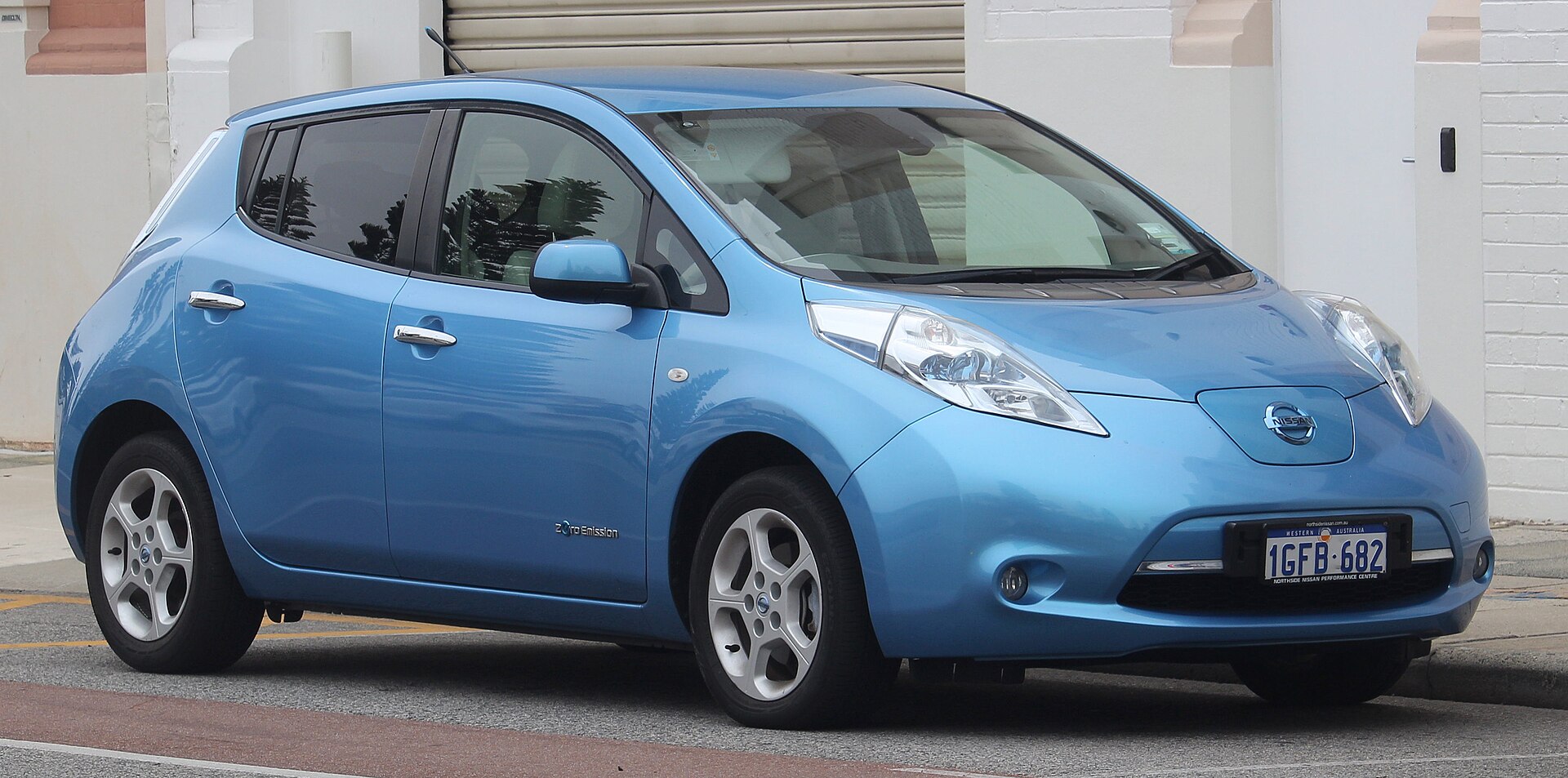
| BEV | Yes | Electric motor only | Electricity | Drivers who can charge at home or work |
| Mild hybrid (MHEV) | No | Engine, with small electric assist | Petrol or diesel | Small fuel savings with no change in habits |
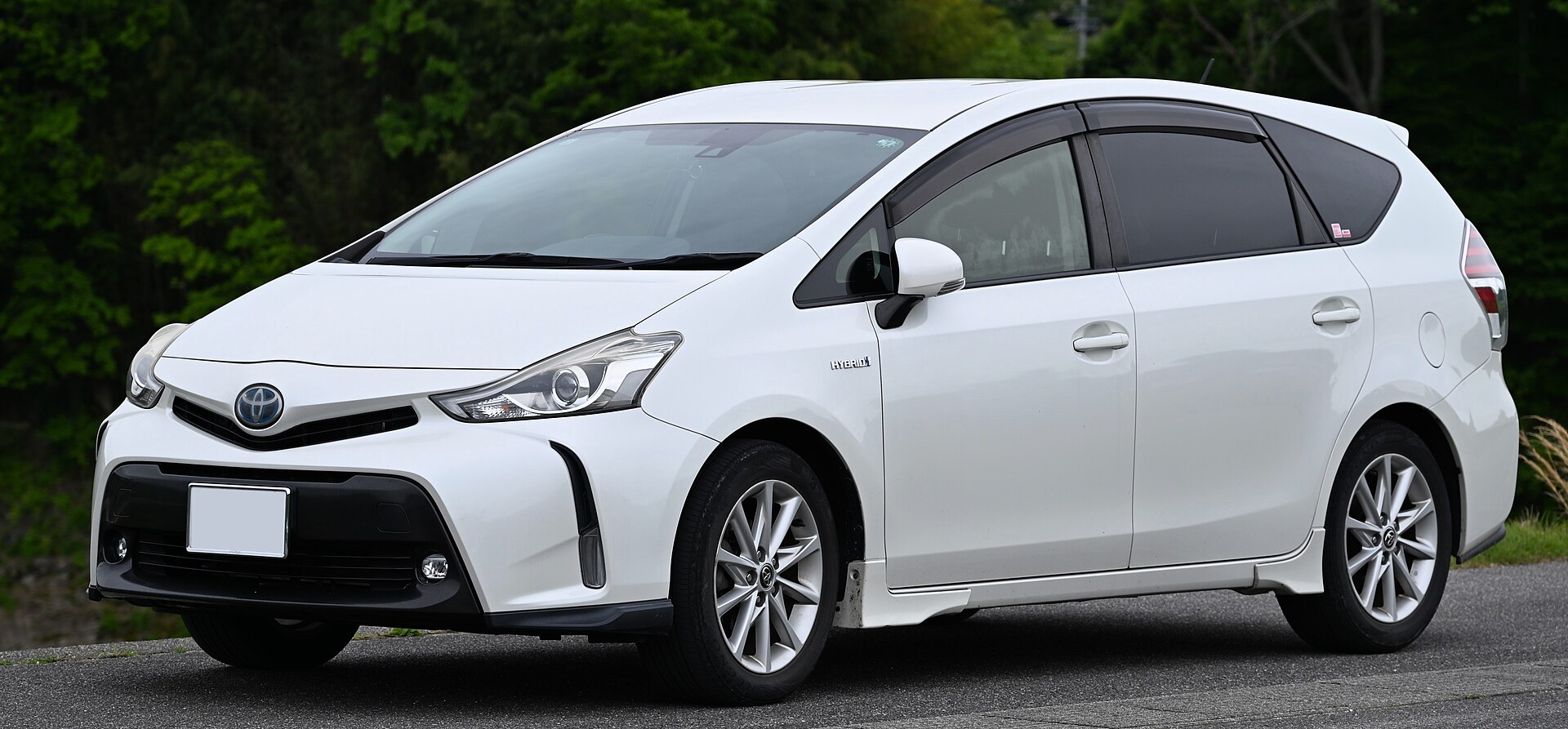
| Hybrid (HEV) | No | Engine and electric motor | Petrol | Lots of city driving, no charging access |
| Plug-in hybrid (PHEV) | Yes | Electric motor for shorter trips, engine for longer ones | Electricity and petrol | Short daily commutes plus long trips |
| Range extender (REEV/EREV) | Yes | Electric motor only; engine acts as a generator | Electricity and petrol | EV driving feel without range worries |
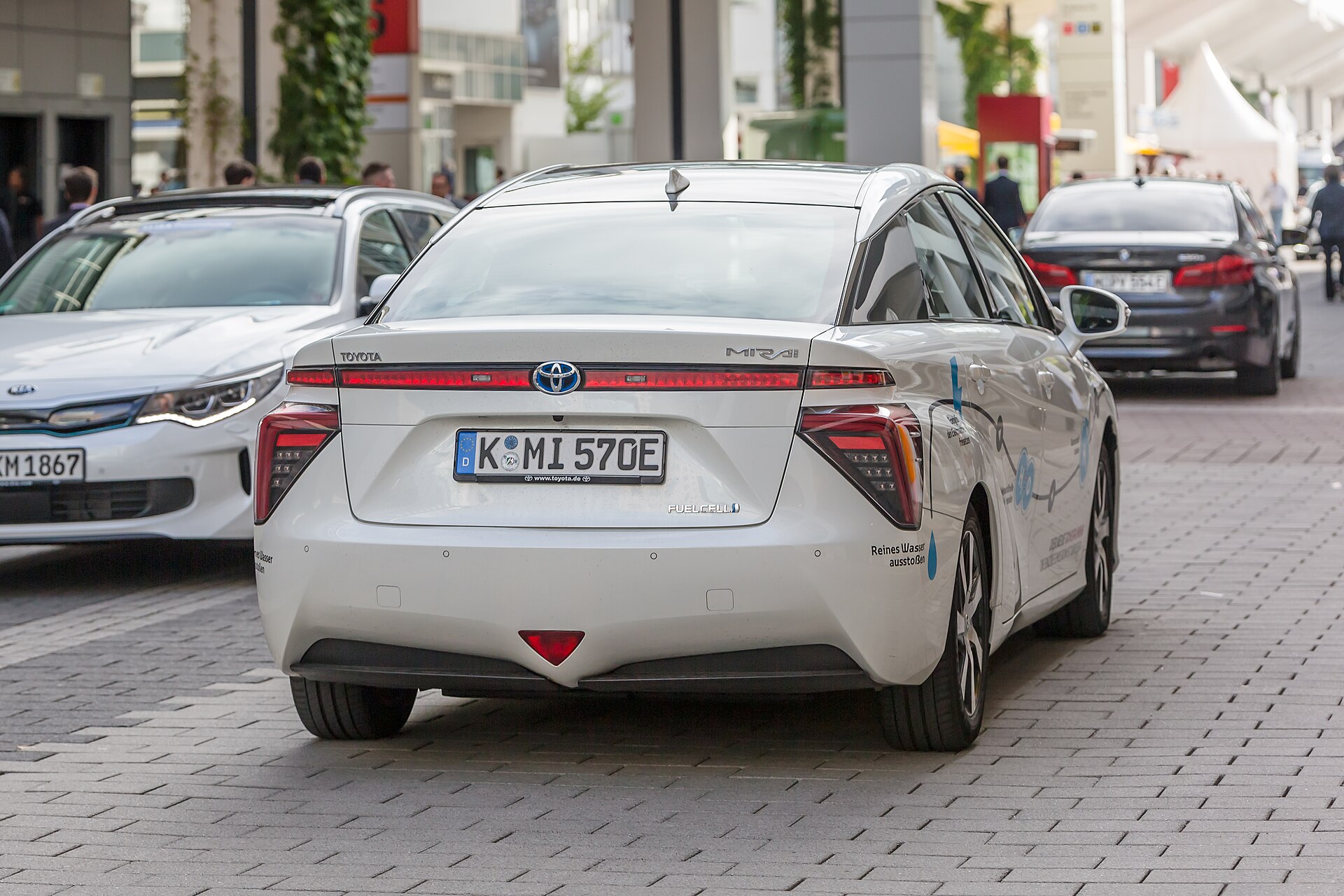
| Fuel cell (FCEV) | No (refuel with hydrogen) | Electric motor | Hydrogen | Areas with hydrogen stations |
How each one works
Battery electric (BEV)
A large battery powers one or more motors. There is no engine and no tailpipe. Running costs are usually lowest when charging at home.
Hybrid (HEV)
The engine and motor work together. The battery recharges from the engine and from braking, so you never plug in. Hybrids save the most fuel in stop-start traffic.
Plug-in hybrid (PHEV)
A bigger battery lets you drive short distances on electricity alone, then the engine takes over. PHEVs only save money if you actually charge them.
Range-extended EV (REEV)
The wheels are always driven by electric motors. A small engine runs a generator when the battery is low. The International Energy Agency says range extenders fell to under 7% of global electric car sales in 2025 (IEA).
Fuel cell (FCEV)
A fuel cell turns hydrogen into electricity, with water as the only exhaust. Refuelling takes minutes, but hydrogen stations are rare in most countries.
Elite Autos tip
Match the car to where you can charge. No home charging and lots of city driving: a hybrid. Home charging and short daily trips: a BEV or PHEV. Long trips in areas with few chargers: a hybrid or REEV.
Frequently asked questions
Do hybrids need to be plugged in?
No. Regular hybrids charge themselves. Only plug-in hybrids and range extenders have a charging port.
What is the difference between a PHEV and an REEV?
In a PHEV the engine can drive the wheels. In an REEV the engine only generates electricity; the motors always drive the wheels.
Are fuel cell cars electric?
Yes. They use electric motors, but make their electricity on board from hydrogen.
Sources
- IEA: Global EV Outlook 2026, trends in electric cars
- US Department of Energy, Alternative Fuels Data Center
Related: EV charging levels explained · LFP vs NMC batteries · All guides
This article was prepared with AI assistance and checked against the sources listed. Read our AI Use Policy and Corrections Policy.
Related on Elite Autos
 API SQ and ILSAC GF-7 explained: the new engine oil standards
 Do electric cars need oil? EV fluids and maintenance explained
 Prince of Monaco car collection: tickets, hours and the cars of Rainier III and Princess Grace
 Emirates National Auto Museum guide: tickets, hours, location and the Rainbow Sheikh’s cars
Pingback: The hybrid comeback: why carmakers are betting on both engines and batteries - Elite Autos
Pingback: EV charging explained: Level 1, Level 2 and DC fast charging - Elite Autos